
How to learn job-ready skills online for free, even with no experience
Anúncios
Picking up skills that employers want no longer requires tuition, a campus or a fixed class timetable.
Online learning platforms such as Beharv make beginner-friendly lessons available to anyone with an internet connection.
You study for free, and the certificate is an extra you can choose to buy once the course is complete.
- Price to study: zero; only the optional digital certificate has a fee.
- Where: fully online, on your phone, tablet or computer, at whatever hour works for you.
- Who can join: beginners included, since most entry-level courses expect no background.
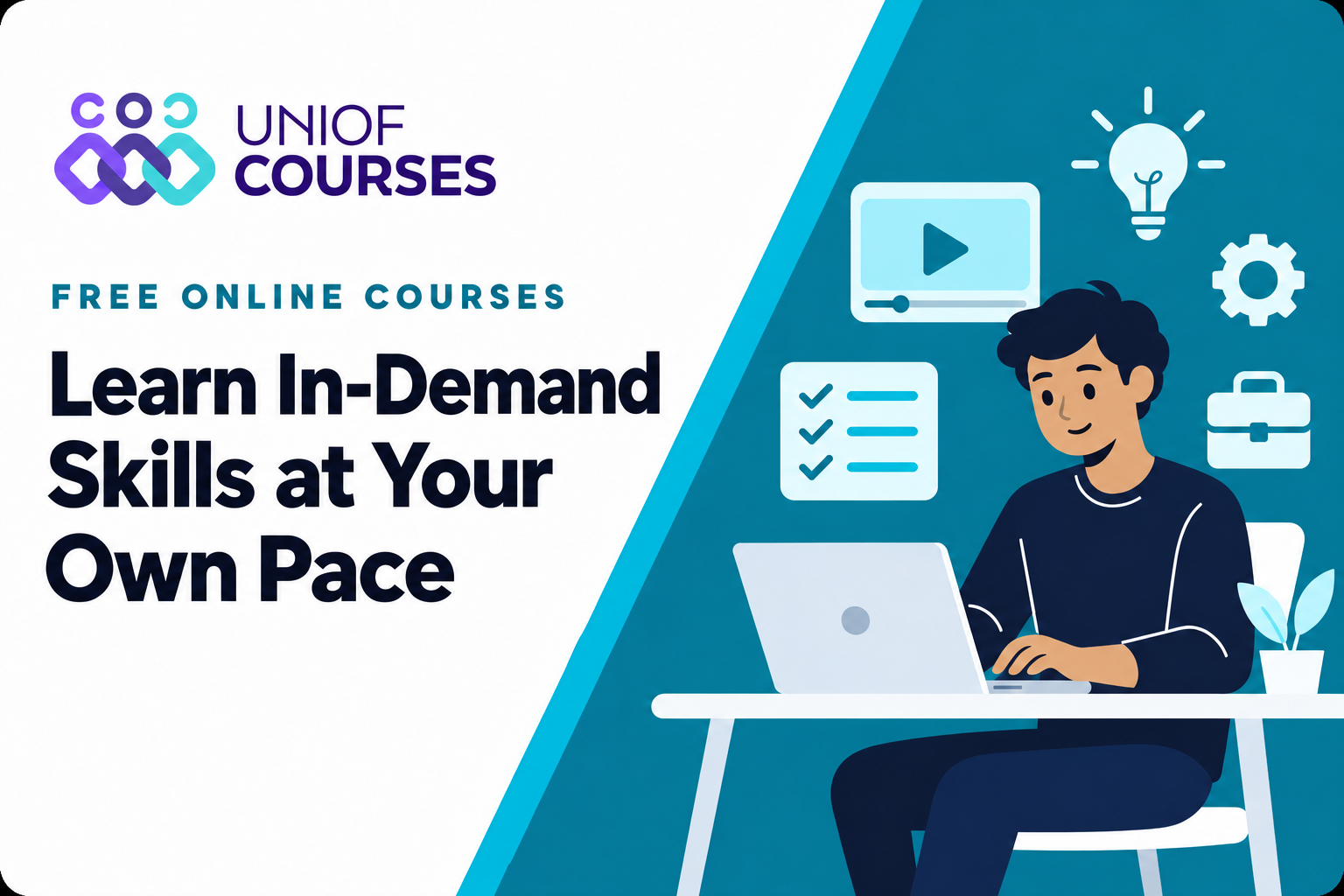
This guide walks through the skills you can explore, the people who tend to benefit most, the real costs involved and the steps to begin your first course.
Skills You Can Pick Up Online
Course libraries usually lean toward practical abilities that hiring managers ask for.
- Sales and marketing: how online promotion, social channels and basic campaigns work for brands of every size.
- Computer skills: working confidently with spreadsheets, text editors and slide tools in everyday office tasks.
- Client support: listening, solving problems and keeping customers satisfied across stores, phone lines and chat.
- Office routines: managing calendars, files and simple workflows, handy for receptionist and virtual assistant jobs.
- IT foundations: understanding devices, networks and safe online habits at an introductory level.
- Care and wellbeing: beginner content that can complement entry-level work in wellness and caregiving.
- Small business: budgeting, pricing and selling basics for people planning their own venture.
- Workplace writing: clear emails, reports and messages, a skill valued in nearly every profession.
Available subjects shift as platforms update their libraries, so look at what’s listed right now before settling on a topic.
Why People Choose This Path
For many adults, money and a lack of free time are what stop them from learning something new, and this format addresses both.
-
Nothing to pay upfront
Trying a subject costs nothing, so a course that turns out to be a poor fit doesn’t hurt your wallet.
-
Study on your terms
Content stays open whenever you log in, whether that’s before a shift or after the kids go to bed.
-
Built for newcomers
Lessons often start from the basics, so you don’t need prior training to keep up with the material.
-
Something to show
A completed course, with or without a certificate, adds a relevant line to your job applications.
-
Your own rhythm
Going back over a tricky lesson or taking a break is fine, because nobody is grading your speed.
The Platform Behind the Courses
Beharv is an e-learning platform with free courses available in multiple languages.
- Access: entirely web-based, with no in-person classes or campus visits.
- How it’s funded: lessons cost nothing; learners who want proof of completion can pay for a digital certificate.
Separating free study from a paid credential is a widespread approach, used even by well-known university learning sites.
Worth checking: course offerings and certificate fees may be updated, so confirm them on the platform itself.
Is This a Good Fit for You?
Free online study is usually most useful for people who want to gain ground quickly without signing up for a long program.
- New to the workforce: recent grads and first-time job hunters building a starting skill set.
- Switching fields: workers exploring a different industry before paying for deeper training.
- Short on time: people juggling jobs or family who can only study in small blocks.
Roles that legally require a license or an accredited diploma call for more than a short course, though it can still help you get oriented.
Step by Step: How Learning Works
Everything happens online, and the routine is easy to follow even for first-timers.
- Register: open a free account on the platform’s official page with an email address.
- Learn: pick a topic and move through the lessons on your own schedule.
- Wrap up: once you finish, you may order the paid certificate or simply keep the knowledge.
Because the pace is flexible, finishing time varies a lot: a short course might take a couple of evenings, a longer one a few weeks.
The Upsides and Downsides
Before you sign up, it helps to look honestly at both sides of the format.
-
Free learning
The lessons themselves cost nothing; paying is only an option at the finish line.
-
Any device, any place
A basic internet connection tends to be enough to study from home or on the go.
-
Room to experiment
Trying several subjects can reveal which line of work really holds your interest.
-
Fast progress
Brief courses may be completed within days, giving you an early sense of achievement.
-
Certificates carry a fee
If you want a document to attach to applications, expect to pay for it separately from the free lessons.
-
Limited formal weight
Short online courses are introductions; they aren’t accredited degrees or professional licenses.
-
Motivation is on you
No instructor will remind you to log in, so courses can drag on unless you build a steady study habit.
What It Costs and What You Need
A quick look at the practical details helps you plan without surprises.
- Lessons: no charge to enroll or study.
- Digital certificate: optional, with a fee shown on the official platform.
- What to have: an email account and an internet connection; no experience needed for starter courses.
- When to begin: enrollment is open year-round, so there’s no semester to wait for.
Fees and course lists can be revised at any time, so it makes sense to double-check everything on the platform first.
Why We Point Readers to This Platform
At Uni of Courses we look at many free learning options, and those that let people study before paying tend to suit beginners best.
When readers ask where to start on the road to careers that are hiring, four reasons make this kind of platform easy to suggest:
- No financial gamble: the only thing you spend is your time.
- Real flexibility: lessons adapt to your week, not the other way around.
- Open to all: entry-level material that welcomes people with no background.
- Your call: paying for the certificate is entirely up to you.
The Payoff: What Changes After a Course
What tends to matter most is how you apply the knowledge afterward, in applications, interviews and daily work.
- Confidence: concrete know-how you can describe when an interviewer asks about your skills.
- Stronger applications: recent training, and a certificate if you choose one, to add to your résumé.
- Direction: firsthand experience of a field before you put more time or money into it.
No course can promise employment, yet relevant training often helps a résumé stand out to recruiters.
Your First Steps
Setting up takes just a few minutes, and every part of the process is done through the official platform.
- First: open the official website, sign up at no cost and filter the course list by the area you’re curious about.
- Then: join a course, work through it at a comfortable pace and choose afterward whether the certificate is worth it to you.
Free Courses vs. Other Ways to Upskill
Seeing the alternatives side by side makes it easier to decide where free study fits in your plans for the future.
- Bootcamps: intensive and well structured, though tuition can be steep and schedules are rigid.
- Local colleges: credentials with wide recognition, along with tuition costs and set terms.
- Online university courses: lessons are often free to audit, while official certificates usually come with a fee.
Free study tends to be the logical starting point when budget is tight; formal programs can come later if your goals require them.
Common Questions
Do I have to pay anything to study?
No. The lessons are free; only the optional digital certificate has a cost.
Is there a background requirement?
Starter courses are made for people with no previous training in the subject.
Will this get me a job?
A course may make your profile more competitive, but hiring decisions depend on many factors.
How much time should I set aside?
That varies by course length and your own speed, from a few hours to several weeks.
Does it work on mobile devices?
In most cases, yes, provided your internet connection is reliable.
Smart Ways to Stay on Track
Small routines often decide whether a course gets finished or forgotten.
- Aim at a role: choose subjects that point toward one specific job you want.
- Make appointments: treat short study sessions like meetings on your calendar.
- Build examples: keep a file of exercises and results to mention in interviews.
- Refresh your profile: list each finished course on your résumé and professional profiles.
Turning what you learn into a mini project, such as a budget sheet or a customer reply template, tends to make the skill visible.
The Bottom Line
Learning online for free is not a shortcut to a diploma, but it can be an affordable way to gain job-ready knowledge and explore new directions with little risk.
You stay in charge of what you study, how fast you go and whether paying for proof of completion makes sense.
The trade-offs are worth keeping in mind: certificates come with a fee, and progress depends on the routine you create for yourself.
For anyone with no experience who wants a practical entry point toward growing fields, beginner-friendly courses like these are often a reasonable place to begin.
Uni of Courses Team
Uni of Courses is an independent site that publishes guides on free online courses, career development, job search and gaming topics. Our team researches each subject to help readers make informed, practical decisions.
Learn about our work